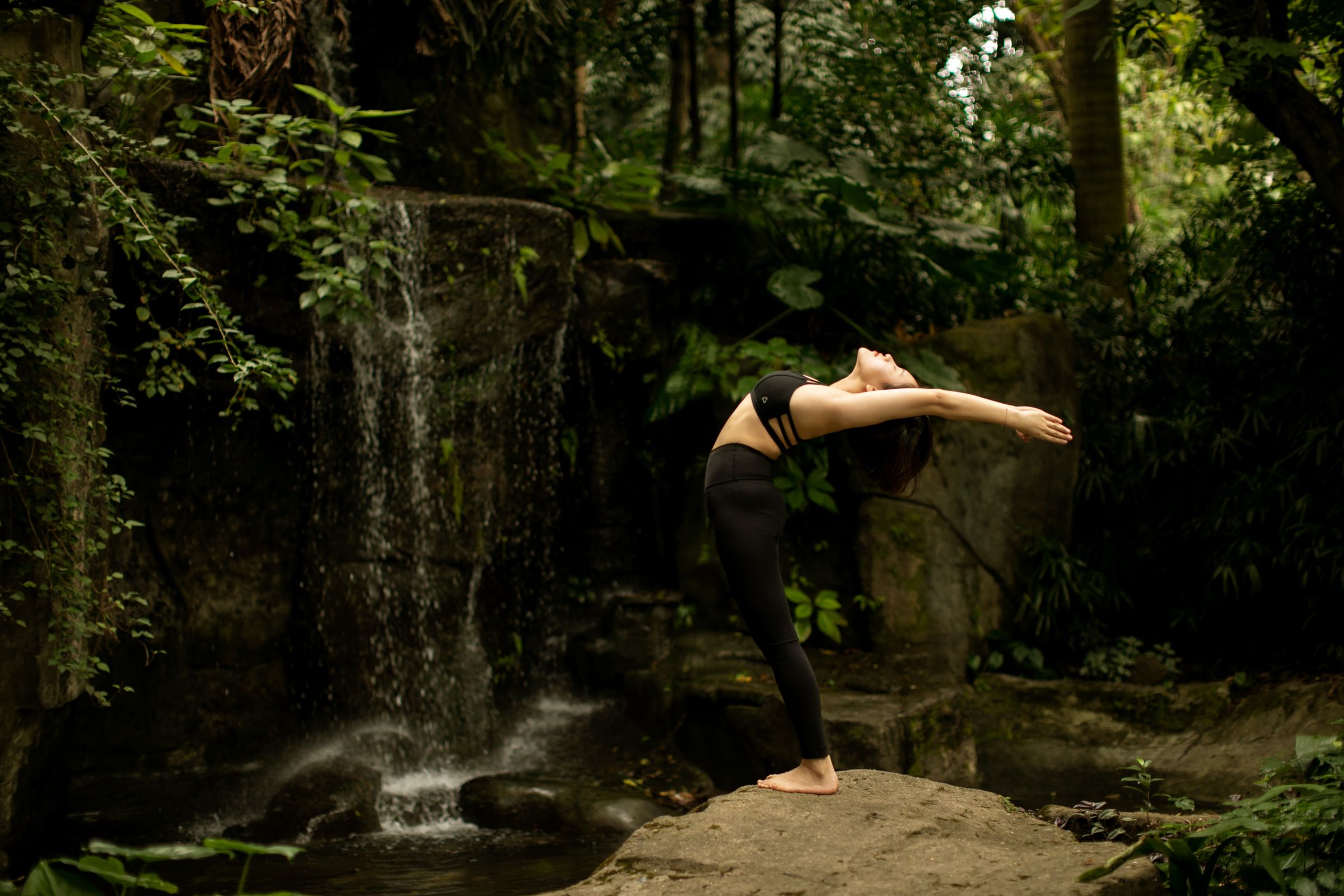
Yoga Expressions
Yoga: Born in India, transcending boundaries.
A single thread from the Vedas and sages to the mat, the breath, and the way we live now — body, mind, and spirit together.
Explore
Yoga Expressions
A single thread from the Vedas and sages to the mat, the breath, and the way we live now — body, mind, and spirit together.
ExploreWe honor yoga as an ancient path from India — rooted in the Vedas and Patanjali’s Yoga Sutras — not as poses alone but as balance for the whole person. Sages sought self-realization; today that same current runs through practice: physical health, emotional steadiness, mental clarity, and growth that doesn’t end when you roll up your mat.
Our retreats carry that same spirit: immersive time for the whole you — yoga, mindfulness, meditation, and care — echoing India’s living spiritual traditions.
Seals from the Indus Valley (circa 3,000 BCE) show early yogic forms. In the Vedic period (1500–500 BCE), texts began to name meditation, breath, and awakening — the soil of what we now call yoga. The Upanishads deepened that frame into classical yoga.
The Yoga Sutras (circa 200 BCE) map the eightfold path — ethics, breath, meditation, union. Hatha brought asana and pranayama into wide practice. Today’s Vinyasa, Kundalini, Restorative, and more are many doors, one intention: whole-being health.
In India, yoga has long been a full system: ethics, awareness, inner life. The Bhagavad Gita asks us to weave practice into ordinary days — mindfulness, compassion, discipline — so we meet ourselves and others with more ease.
Yoga doesn’t exist in a vacuum. It converses with healing arts, movement, and place.
Balance through food, herbs, and lifestyle; yoga steadies body and mind so that balance can hold. Together they treat wellness as one integrated whole.
Arts such as Kalaripayattu share breath, line, and focus with yoga. Discipline in the body and clarity in attention strengthen each other.
Bharatanatyam, Kathak, Odissi — posture, breath, and presence in motion. The stage becomes another field for the same mind–body awareness.
Rishikesh, Mysore, Varanasi, the Himalayas: landscapes where practice has been tended for generations — quiet invitations to go deeper.
Yoga is not only asana. These paths are complete in themselves, and different temperaments are drawn to each.
Across the world, millions practice in many styles; that spread has carried timeless insight into modern life — steadier attention, calmer feeling, a sense of connection. In India, temple sculpture and forms like Vaastu Shastra still echo the same eye for harmony, form, and the sacred in the everyday.